Do you look in the mirror and wonder why your teeth aren't as white and bright as you'd like? Why they still look yellow even though you don't smoke, don't drink coffee, and brush twice a day? Dr. Meir Mamraev has the answers, and the solutions that can give you a bright, confident smile.
Our teeth matter more than we tend to realize. They are our calling card: they shape our appearance and influence the way we communicate with the people around us. White teeth let us smile broadly and freely, but with age, eating and lifestyle habits, illness and other factors, teeth gradually yellow and can develop stains and pigmentation.
If you dream of white, beautiful teeth, Dr. Mamraev can turn that dream into a smiling reality using a range of methods and advanced technologies.
Teeth Whitening – What’s Important to Know?
Teeth whitening can improve the appearance of discoloration and staining, but the right treatment depends on what caused the color change and on the condition of the teeth. External stains from coffee, tea, wine or smoking may sometimes be addressed with professional cleaning, while deeper discoloration may require a whitening treatment. Professional options can include in-clinic whitening, dentist-supervised at-home trays or internal whitening for an individual tooth in suitable cases. Existing crowns, fillings and other restorations do not respond to whitening in the same way as natural teeth, and temporary sensitivity may occur, which is why a dental assessment is important before treatment begins.
Why Choose Dr. Meir Mamraev for Teeth Whitening
Over 25 years of professional experience
A personal, professional approach tailored to each patient's needs
The most advanced technologies available in dentistry today
A commitment to excellence and consistently high standards of service
- Over 25 years of experience.
- Emphasis on personalized, professional care tailored to each patient’s needs.
- Use of the most advanced technologies in modern dentistry.
- Commitment to excellence and maintaining the highest standards of service.
Teeth Whitening, What You Need to Know
In everyday language we call it teeth whitening, but the professional term is tooth lightening. External stains that build up on the teeth, from nicotine, caffeine, tartar and other sources, don't actually reflect the true color of the teeth. The enamel, the outer layer where these stains accumulate, is completely transparent; in professional terms it's known as the tooth's glaze.
The color of a tooth is determined by the dentin, the tooth's main component, whose shade shows through the transparent enamel. When the dentin is dark, yellow or brown in tone, it gives the tooth its yellowish appearance. And it's important to know: the older we get, the more the dentin layer yellows.
External stains formed on the enamel by coffee, tea, wine or cigarettes can be removed by a dental hygienist or dentist. Tooth lightening treatments, by contrast, break down the pigments within the dentin and alter the color molecules in that layer. Once the dentin has been lightened, the color reflected through the transparent enamel appears brighter.
What Causes Teeth to Change Color?
Cause of discoloration | Effect on the teeth |
Poor oral hygiene | Plaque and tartar buildup, affecting tooth color |
Coffee, tea, red wine and spices | External staining of the teeth |
Smoking and tobacco use | Yellow or brown stains |
Aging | Thinning enamel, revealing yellow dentin |
Genetic tooth structure | Naturally darker or more yellowish teeth |
Medications such as tetracycline antibiotics | Discoloration originating inside the tooth |
Amalgam fillings | Greyish tint in surrounding teeth |
Medical treatments such as chemotherapy | Changes in tooth color |
Professional Whitening Methods Offered by Dentists
The Walking Technique
This method suits cases where one or two teeth have lost their color following trauma or root canal treatment. The dentist drills a small cavity inside the tooth and inserts concentrated whitening agents that restore the tooth's original color.
At Home Whitening
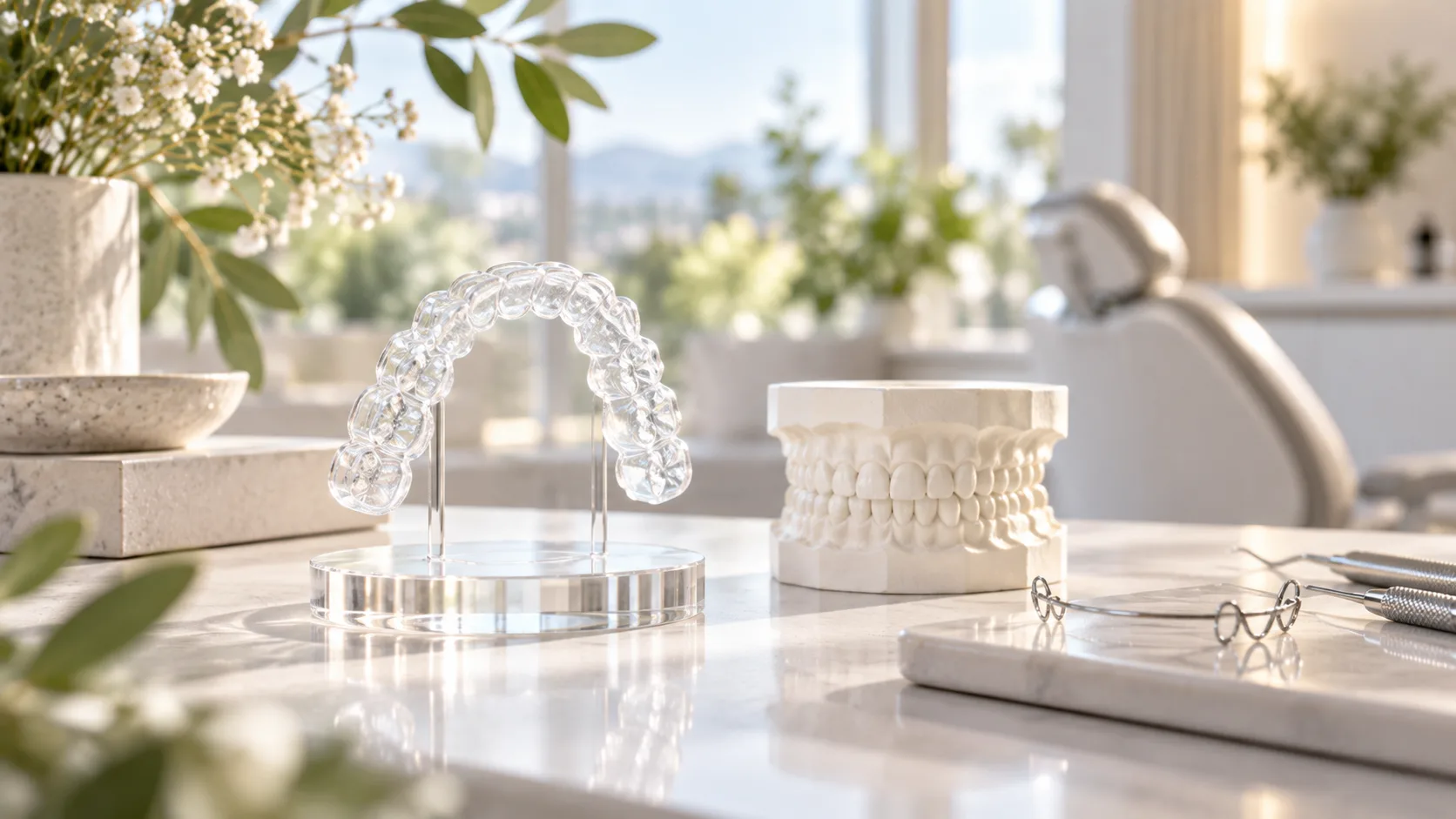
The dentist prepares a thin plastic tray custom-fitted to the patient's teeth. Along with the tray, the patient receives a special gel containing carbamide peroxide at a concentration of 16% to 28%, depending on their individual profile. The patient applies the gel inside the tray and wears it for several hours, during the day or overnight, according to the dentist's instructions. After an average of two weeks, the result is whiter, more attractive teeth.
In Clinic Whitening
The patient comes into the dental clinic, where the dentist applies a high-concentration whitening agent, usually hydrogen peroxide, to the teeth and activates its ingredients using a light source such as an LED or UV lamp, which accelerates the whitening process. Lasers were once used for this purpose, but in recent years they have been phased out.
Teeth Whitening with Advanced Technology
Professional dental clinics today rely on innovative technologies to achieve better, more striking results. The modern techniques described below make whitening highly effective while also keeping treatment safe and, in some cases, remarkably fast.
By combining these technologies, experienced practitioners such as Dr. Mamraev can offer patients whitening solutions well worth knowing about. Here are several advanced whitening technologies:
Tray Whitening
Custom fitted, controlled and gradual, with minimal gum irritation.This method ensures the whitening agent is distributed evenly across all the teeth, using a professional clinic-grade whitening gel.
Laser Whitening
Fast results with a reduced risk of sensitivity. This technique delivers a combined effect and a rapid outcome. The dentist directs the laser at the enamel surface, and the light beams enhance the effectiveness of the whitening agents, producing quick results and particularly effective lightning.
LED Whitening
Gentle in action, highly effective on stains, and well suited to a course of treatments. This method uses blue light that activates a whitening gel applied to the teeth. It is known to be especially effective at breaking down visible stains without damaging the tooth itself.
How to Make Your Whitening Results Last
Maintaining your results matters just as much as the whitening method you choose. Here are several ways to keep your teeth bright and white for as long as possible:
- Clean your teeth consistently. Brushing every day is the key to removing plaque, eliminating decay-causing bacteria and preventing stains. You can also use a whitening toothpaste as needed, once or twice a week can help lift stains, while regular toothpaste serves you the rest of the week. Overusing whitening toothpaste may cause tooth sensitivity.
- Combine dental check ups with regular professional cleanings. Visiting your dentist every six months for an examination and professional cleaning helps remove tartar and prevent decay, staining and deterioration. If the whitening effect begins to fade, the clinic can address it immediately. This way any problem is caught early, and your smile stays beautiful, bright and healthy.
- Eat and drink mindfully. Avoid excessive consumption of staining foods and drinks such as coffee, tea, red wine and dark carbonated beverages. Drinking through a straw helps protect your teeth, since the liquid has less contact with the tooth surface. Include stain-fighting foods in your daily diet, firm fruits and vegetables such as carrots or apples, which provide a natural cleaning effect.
- Quit smoking. For many patients, tobacco is the leading cause of tooth staining. Quitting can prevent further staining and improve oral health overall. Beyond the aesthetic benefit, giving up smoking also reduces the risk of gum disease, tooth loss and oral cancer.
Follow Up Treatments to Extend the Whitening Effect
Depending on the initial whitening method and its results, your dentist may recommend follow-up treatments for further improvement, for example, professional treatments using medical-grade at-home whitening trays supplied by the dentist.
These treatments may be needed anywhere from every six months to every two years or more. Follow-up care helps combat new staining and keeps the smile bright and gleaming.
From the Dentist's Desk, A Few Important Tips
- Visit a dental hygienist every three to four months to remove tartar and the colored external deposits that adhere to the enamel. Regular hygienist visits can prevent external staining of the tooth's glaze.
- Tooth lightening is not a one-time treatment. The effect is temporary and lasts, on average, a few years. How long depends on several factors: the patient's individual biology, eating and drinking habits, and smoking. Smoking, in particular, is one of the best-known causes of tooth staining.
- Whitening treatments are not recommended for patients under the age of fifteen. Until that age the pulp, the area containing the blood vessels and nerves, is still extensive, making tooth hypersensitivity and damage from the oxygen in the whitening agent considerably more likely.
- When carried out under a dentist's supervision, tooth lightening is not dangerous: it does not weaken the tooth or cause damage. Using whitening products without professional supervision, on the other hand, can cause erosion and abrasion and weaken the teeth. Some toothpastes on the market contain active ingredients that help lift stains, but certain products may cause side effects such as sensitivity to heat or cold, or irritation of the gums and mouth. For that reason, consult your dentist before you start using whitening toothpaste.
- Mild sensitivity may occur after in-clinic whitening treatments, but it should pass within a few hours to a few days.
In summary, a range of different factors affect the shade of your teeth. Only a professional dentist can correctly diagnose the cause and, on that basis, determine the right course of treatment and the appropriate agent for the condition of your mouth and teeth.
Frequently Asked Questions
Professional whitening uses higher concentrations of whitening agents and delivers faster, more pronounced results than over-the-counter home products. The treatments are also supervised by an experienced dentist, so patients benefit from a high level of safety and care tailored to them personally.
Absolutely. When performed under a dentist's supervision, whitening is very safe. The dentist ensures the gums and mouth are protected throughout the procedure to prevent irritation or sensitivity.
A professional whitening session takes around 60–90 minutes. The exact time depends on the method used and on the level of whiteness the patient is aiming for.
Most patients reach the level of whiteness they were hoping for, a significant, clearly visible improvement. The final outcome depends on the original color of the teeth and on the whitening method chosen.
No. Professional in-clinic whitening aims to strike a balance between white teeth and a natural-looking smile. Your dentist will tailor the treatment to your aesthetic preferences and the smile you want.
Most people will benefit from teeth whitening, but it isn't necessarily suitable for everyone. Patients with numerous visible fillings, crowns and similar restorations are less suitable candidates, as are patients with deep stains that have penetrated far into the tooth. In such cases, alternative treatments (such as porcelain veneers) may be worth considering.
Some patients may experience temporary tooth sensitivity or gum irritation following a whitening treatment. These symptoms are mild and resolve on their own within a few days.
As a general rule, it's recommended to refresh the whitening every six months to two years.
With professional treatment and proper precautions, patients should not feel pain during a whitening procedure. In certain cases, tooth sensitivity or gum irritation may occur if the whitening solution is left on for too long.
If you're wondering how much teeth whitening costs, the simple answer is: it depends. The cost is influenced by several factors:
- The initial color of the teeth, whether the discoloration is mild, or the teeth are heavily stained or yellowed. If the situation calls for more sessions or stronger whitening agents, the total cost rises accordingly.
- The whitening method chosen has a significant effect on cost: in-clinic versus at-home lightening, as well as the specific type of treatment selected.
- The dentist's experience and expertise. Skilled professionals generally charge more, but they deliver higher-quality, more effective and longer-lasting treatment, which makes the investment more worthwhile over time.
How soon you'll need whitening again depends both on the individual condition of your teeth and on the method used previously. Professional whitening by a dentist is generally effective for around three to four years, though occasional maintenance may be needed to preserve the results.
With whitening done independently at home, most people report that their teeth stay white for roughly six to eight months, and that in most cases regular ongoing use of whitening products is required.
People who don't maintain a healthy diet, or who smoke and drink wine, beer and similar beverages, will need to whiten their teeth more frequently.
About Dr. Meir Mamraev
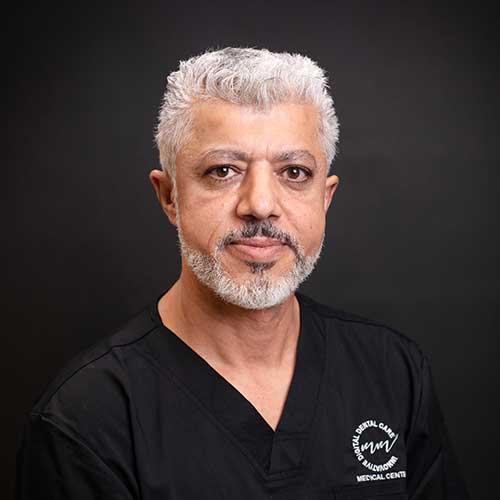
Dr. Meir Mamraev holds a Doctor of Dental Medicine degree (DMD) and serves as Medical Director of the Cortex dental implant company.
With over 25 years of experience, he heads the Center for Aesthetic and Restorative Dentistry in Kiryat Ono.
For many years, Dr. Mamraev has worked extensively in dental aesthetics, including full-mouth rehabilitation. He has broad experience of performing complex restorations and is certified to carry out dental treatments under general anesthesia.
To stay current with developments across dentistry in general, and dental implantology in particular, Dr. Mamraev regularly attends professional training courses abroad.